.png)
The Late Bloomer Actor
Welcome to "The Late Bloomer Actor", a monthly podcast series hosted by Australian actor David John Clark.
Join David as he engages in discussions with those that have helped him on his journey as a late bloomer actor, where he shares personal stories, insights, and wisdom gained from his unique path as a late bloomer actor and the lessons he has learned, and continued to learn, from the many sources available in the acting world.
Each episode features conversations with actors and industry insiders that have crossed paths with David who generously offer their own experiences and lessons learned.
Discover practical advice, inspiration, and invaluable insights into the acting industry as David and his guests delve into a wide range of topics. From auditioning tips to navigating the complexities of the industry, honing acting skills, and cultivating mental resilience, every episode is packed with actionable takeaways to empower you on your own acting journey.
Whether you're a seasoned actor, an aspiring performer, or simply curious about the world of acting, "The Late Bloomer Actor" is here to support your growth and development. Tune in to gain clarity, confidence, and motivation as you pursue your dreams in the world of acting. Join us and let's embark on this transformative journey together!
The Late Bloomer Actor
The Acting Journey - Special Q&A with David John Clark
Use Left/Right to seek, Home/End to jump to start or end. Hold shift to jump forward or backward.
Text or Voicemail The Late Bloomer Actor a Question or Comment.
This episode was recorded LIVE in July 2026 as a special tribute to Season 5 and something different/special.
This episode dives deep into the realities of building an acting career later in life, navigating rejection, leveraging personal experience, and the importance of community and perseverance. We explore how to sustain motivation, make strategic career choices, and find fulfillment regardless of age or stage.
In this episode:
- The value of persistence and continuous learning in acting
- How to handle rejection and stay motivated after initial setbacks
- Strategies for building a showreel without traditional credits
- The significance of treating acting as a business from day one
- Balancing acting with family, habits, and other life commitments
- The impact of personal life experiences on acting authenticity
- The power of community, collaboration, and sharing opportunities
- Practical advice on training, self-taping, and regional filming opportunities
- The importance of embracing your unique story and authenticity
- Lessons learned from industry veterans and guest interviews
Resources & Links:
- Jeff Seymour’s The Real Life Actor
- Les Chantery’s Life in a Midshot
- Dean Carey’s The Acting Edge
- Audrey Helps Actors Podcast
- Self Tape May Challenge
Please consider supporting the show by becoming a paid subscriber (you can cancel at any time) by clicking the 'Support' button in your player and you will have the opportunity to be a part of the live recordings prior to release.
And please Rate the show on IMDB.
This episode was recorded on RiversideFM - click the link to join and record.
And I listen to my favourite podcasts on TrueFans. TrueFans is a podcasting marketplace where listeners discover the podcasts they love but only pay the price they want for the value they receive. Download in your Apple or Google playstores.
Check out The Secret Actor Society a community and educational platform to help propel your career forward. Use this link for 40% off your first two payments (after two free trial months.)
I am a huge advocate for and user of WeAudition - an online community for self-taping and auditions. Use the PROMO code: LATEBLOOMER for 25% of your membership.
Well, there we go. Welcome, welcome, welcome, good morning to everyone that is in my time zone and I believe it's good afternoon if you are in the States. I believe it's about five PM in Los Angeles. Ten AM here in Adelaide, South Australia, ten thirty if you're in the eastern states, and I think that's about ten, nine, eight thirty if you're in Western Australia. So good morning. I'm gonna be drinking a lot of water. Keep my voice going. So ~ welcome, welcome, welcome. I have ~ been live streaming for about 20 minutes now with my nice little standby logo on to make sure that it connected. I think I've got it connected to Instagram, my two Facebook accounts, and YouTube, I believe. So ~ I have to make sure that I don't look to my left screen because it is lagging on there, which is a streaming thing, obviously. So if you're watching on the live stream,~ you're about thirty seconds behind me, but that's not an issue, of course.
That's where we are. So 10:01 ladies and gentlemen, I'm going to try and make sure that we don't end this in fifteen minutes. But ~ thank you very much for joining me ~ and watching my ugly head bobbing away. I've been wanting to do this for a little while now, a ~ a separate one on one almost Q&A. A lot of people throw me questions, which I do answer if I get the chance, but ~ and then ~ if I do have ~ interactions, people have that opportunity to throw me questions and I thought, well, why not do it as a podcast episode? As we're now in season five, ~ coming towards the end of season five,~ October being the last episode. So ~ if you've been on board all that time, thank you very much. ~ that is ~ very exciting and very thankful for me. I started this podcast purely and simply as a ~ a way of sharing information, sharing my journey as an actor, as a late bloomer actor, but as an actor as well. So even though it is called the Late Bloomer Actor, and a lot of my videos and a lot of my discussions are directed towards late bloomers, it's also directed at all actors. You can take something away from and I've had the comment from people who aren't actors who listen or watch the show on YouTube, who get a lot from it, ~ just information on acting in general, as well as ~ that motivational side of things that we talk about a lot. So ~ welcome, welcome. Let's get started anyway. So ~ feel free if you're in the live stream to throw in a question or a comment. And ~ I will see them here in my Riverside studio, which is what's very clever of it. I've got a chat channel here that pulls in all messaging from any streaming site that I have. So I can see your chat ~ and answer it on the air. And we also have the magic thing of being able to show the messages on the screen like that. Which I think is pretty clever. So if you throw me a question,~ you might get highlighted as well. So ~ let's keep it ~ calm and collected. But ~ we will get started in a second.~ I do have some pre-questions were already sent to me, so I'm gonna start on them anyway.~ So it gives you guys a chance to think about it out live. So ~ I'm just looking at my script here and I've pretty much already said~ everything I wanted to do ~ to start with. But what I wanted to say is normally I'm the one asking the question. So today, as I said, it's it's your turn, guys. So after the five seasons, I've had the the privilege of sitting down with casting directors and agents, acting coaches and working actors, producers, some business experts, podcast hosts, and people from all around the world, literally from from everywhere. Every one of these conversations has taught me something, not just about acting, but about resilience, creativity, business relationships, and ultimately about people. That being you and me, us. We're the people, we're the community. And one thing I've realized is that this podcast has never really been just about acting. It's yeah, it it's acting that's brought us together, but ~ it's the conversations have become much bigger than that.~ we've talked a lot about overcoming self doubt, which I've had even this morning. I just went upstairs to my wife to check that the streams were coming through and I said, I've got the bit of the handshakes going on. Could be the fact that I don't eat breakfast, I fast till lunchtime and I've had my caffeine hit maybe. Or a little bit of nerve about going live because ~ the pressure is on when you're live, obviously. Obviously this is gonna be an ~ an episode,~ my July episode, so but I have the joys of being able to edit that and make it look nice and smooth. So But for you people watching me on the live stream, that's what we want to make sure is that ~ you've got something to listen to live and that it's ~ interesting. So ~ where were we? We're talking about self-doubt. That's what I just sort of talked about there the for this morning. Building confidence as well. That's that's a huge thing. And obviously, as The Late Bloomer Actor, starting something later in life.~ I get a lot of messages from people saying thank you.~ For you podcast, thank you for what you've said because I've always wanted to be an actor and never had the opportunity. And now that things are slowing down a bit and the kids have moved out and I'm looking at retirement, et cetera, et cetera. ~ Or they say, I'm gonna do it. How do I do it? What do I do? So that's what it's all about. It's about taking risks as well, because regardless of when you get on this journey, whether you're me starting it when I was in my forties or my son who's doing university, it is a risk. Especially in the world that we live in at the moment. there's so much so much happening just in the world in in general,~ that makes things hard, harder. And ~ and especially with acting,~ it's a changing environment. What with ~ money changing, the the people don't want to spend the money. They want to make the money, but they certainly don't want to spend it. And that's where we've got all the problems lately of AI and replacing actors and placing replacing people with AI. I've always said I can understand replacing the thousand people in the in a football stadium crowd, ~ which they've done for years anyway. CGI's been able to do that, but ~ but this new one of the I've always I've forgotten her name because she's not important, but the AI actress. She's got her own movie coming out now apparently. And well, good luck to her. More so good luck to the people that built her because she's not a real person. There we go. Maybe we won't talk about AI anymore unless someone has an a~ question directly about it. So ~ where we're taking risks,~ handling rejection is ~ a big thing that we've learnt on this journey, because you get a lot of no's. I just got a no ~ this week. Well, I didn't actually get a no. I just found out I didn't get the part~ for a commercial. Went to a very, very good and deserving actor, of course. ~ he's a bit younger than me, so ~ but that's the nature of it, you know, you just you you just don't know where or when. And you you've got to learn how to handle that rejection because it is not rejection per se, as in you've just gone up to someone in the bar and asked them out and they've said, piss off. ~ That's not what it is. It's it could be as purely as simple as,~ your eyes are the wrong colours of the the person playing your partner or your child, ~ etcetera. ~ Some of the other things we've gone through is running your acting career like a business. I've talked about that all the time. When you do get in my first recommendation is that you treat it like a business, you treat it professionally. Unless you're purely and simply in it for just some fun. And if you get opportunities, you take them. If you don't, you don't, you don't have to. But if you really want to make it work, starting it like a business from the outset is is the number one thing, I I feel. And one of the other things is finding purpose in the journey, you know, not just the destination.~ not thinking that you're gonna be a star one day. I've always said I don't envisage that I'm going to be the next Mel Gibson or or on the Hollywood red carpets. It's about being on that journey and and getting somewhere,~ wherever that journey is. So whether you're an actor who's been doing this for 30 years, someone who's only just stepped into their first acting class, or someone who simply enjoys hearing stories about chasing a dream later in I've hope you've found something over these past five seasons that's encouraged you to, you know, keep moving forward. And one of my favorite things about hosting this podcast has been hearing from the listeners. So thank you very much. Emails, messages, comments. The questions that start with, you know, I don't know if anyone else feels this. Maybe not those exact words, but that's what people say is that's what they reach out and say, This is where I'm feeling, this is what I want to do or I don't understand this.'Cause every single time the answer is yes, somebody else does. So one of the biggest lessons I've learned from interviewing so many incredible guests is that we're all asking remarkably similar questions. Am I good enough? Am I too old? Am I wasting my time? I ask that one all the time. Am I wasting my time? ~ Because you just don't seem to ~ find where you're at, sort of thing. Should I keep training? Should I get an agent? How do I get my first credit? How do I deal with rejection? We just talked about rejection before. So it doesn't matter whether you're just starting out or you've been acting professionally for decades. Those questions they never really completely do they? So I thought, why not dedicate an entire episode to them? And that's where we're at at the moment. And I've got magic clapping hands popping up on my screen on my riverside. That's cool. I wonder where that came from. We're on a learning journey here as well, people. So I have no one in the studio. They're all online, which is great. So the clapping hands must have come from like Instagram and it transfers over to my Riverside Studio so I can see it. Wonderful. I love it. I love it. Thank you, whoever gave some clapping hands in Instagram, I'm assuming. Instagram's the one that does that. All right. That's enough of me looking at myself on my screens. So today's episode, guys and girls and ladies and gentlemen, is ~ about your questions, along with a few topics that have come up time and time again throughout the life of the podcast. Think of it as ~ I was sitting down over a coffee, not that I drink coffee, but Coke Zero or hot chocolate. And having the kinds of conversations we usually have at after workshops, after auditions, or backstage at a production. Never on set of course. Quiet when you're on set. There's no script. There's no guest. I'm all by myself. But just us talking honestly about this wonderful but unpredictable industry we all love. Or love to hate, maybe. So wherever you're listening from, whether you're here with me live or catching this episode later, thank you for being part of the community. So if you are listening live, whether it's on Instagram, YouTube, I don't think it's gone through to link LinkedIn.~ I did check, but ah well. Not many people use LinkedIn anyway, do they? If you do, I'm on LinkedIn, check it out. But if you're watching live, please throw me a question, throw me,~ just let me know where you're you're watching from.~ Town, city, state, country. That'd be wonderful to ~ see and we'll throw it out. Now, as I said, I've ~ received some questions. Thank you guys ~ through my fan mail option, which is through Buzzsprout my podcast provider. They have this nice little link where you click the fan mail, opens up in your phone as a text message and you can send me a text. Now I did ask, but whether these people....~ hey Aleksandra has just popped up. She's in Adelaide too. Welcome. Thank you very much. Sorry to get you up so early on a Saturday morning.~ it's great to see you, Heather from Adelaide as well. The Adelaide people are here and representing. So thank you very much. Where was I? I was saying fan mail. You also have the option, ~ with the fan mail doing ~ voice calls now, which is really cool. ~ So in the future, guys, if you want to ask a question or make a statement or anything like that, you can leave a voice call and I can play it at the end of my episodes, which will be a nice little something different to do. But in this case, I have a few text messages, unfortunately. ~ They didn't leave their names or locations.~ Which is the joys when you when it opens up, you just think it's a text message and it sends you, I see the last four digits of their phone number. So whether they chose not to say their name, that's not a problem. So question number one was ~ from ~ Australia,~ mobile phone number ending in triple nine two. So if that's you, ~ thank you very much for your question. But they have asked. Just wondering the best way to get footage before you have any professional credits to show your acting. I've struggled with student films where I never get my footage and then working for nothing essentially. Even some student films want to see what you can do and ask for a show reel. A lot of my auditions I can't show for privacy It's hard because I can't get work because I haven't really worked yet. Then I feel like I'm doing endless courses. So all this money is going out but nothing going in. And most of the Starnow work is in Sydney. Three years in and I'm wondering if I'm just wasting my time now. Wasting my time. I think we just mentioned that, didn't we? So there you go. But then I go on a commercial and get told I'm natural on camera and I get a little hope again. Would love some guidance. Thank you. Well triple nine two in Australia. Thank you very much. It's this is probably one of the biggest frustrations for emerging actors and honestly I've been there. I'm still there really. One thing I've learned is that you can't rely on other people to build your career. It's it's that horrible catch twenty-two, you know, you need to get footage to get work, but you need work to get footage. So student films are fantastic opportunities. But I've also learned that unless the footage is written into the agreement beforehand, there's no guarantee you'll ever see it. They're students. They're busy. Projects don't always get finished. But you know, they they have so under the pump, they're learning for one thing. They've got their teachers are on their backsides to get things finished. And then usually most of their films at the end of the course. So then they finally get through all the stress. Films are done. They get to play it.~ Hopefully you get asked to come to the screening of it. I know that happens a lot. So you do get to see it up on the big screen.~ But then their course is over. They finish. Many of them may not even have a copy of it. And unfortunately it sort of slips through cracks and ~ and disappears. So try to network when you're on board. And just ~ get an email address of someone,~ one of the one of the students being the producer and say, Hey, can I check in with you afterwards and get a copy of it?~ But based on that I wouldn't stop doing student films. But I'd just become much more selective, especially as you get more experience. I try to do ~ one student film a year, one or two. Not because I think I'm too good for it, but because I'm too busy.~ Student films are a a very ~ a special environment because films in general, they're slow. They take a lot of time to film, you know, scenes a a thirty second scene can take, you know, an hour sometimes. But students are learning, so they've got their teachers having their input and their learning on the set. So you've got to be very patient. But it is very, very rewarding and I do it because (a) I've got some experience on set, so I don't have to I can just be there and be professional while they learn on the job and ~ they don't have to worry about me. As much as they do ~ the respect that students do give their actors is is I've not seen any disrespect whatsoever because they know you're there~ and not being paid and that you're there in your own time and you're there to help them out. And they they probably know that you're this is not going to go anywhere. The quality's not going to be suitable enough for a show reel if if if that based on the nature that it's a student film. But, if it's a great script, a passionate director and and people have a track of finished projects, fantastic. Do it. Get on board. If not, maybe your time is spent ~ elsewhere. But I've seen some student films that have just been just blown away, blown away results. ~ Absolute fantastic. So you just it's like anything. You just don't know. And you know, the other thing we live in a different era now.~ A showreel doesn't have to be made up entirely of television credits. There are companies producing professional show reel scenes. There's the forty eight hour film project, for example, local filmmaking groups ~ or even creating your own short scenes. Just grab your camera, have a nice light and and film a scene. Or worst case, just do your ~ a self tape,~ a nice back wall. I've moved my camera setup around at the moment, so I haven't got my back wall. But ~ my show reels are essentially self tapes. Well they are. My current one is just self tapes, you blank blank screen with a reader off camera. So they want to see your acting.~ So if if I was a casting director or someone making a show, I'd rather see two fantastic minutes of believable acting than six minutes of mediocre footage. Go and film your own scene. Put it to a show reel. Done. The part of your question that really stood out though was, when you said you booked a commercial and someone told you you're no what'd you say, natural on camera. You gotta hold on to that.~ Because we all get those moments where we think, am I wasting my time? That you said in your message and I still have those moments. You have those moments and everyone listening~ has those moments. So that's what you ~ that's what you gotta hold on to. And I think you said somewhere,~ three years. You've been doing it for three years. It's three years is a long time, but ~ I've been doing this now I think I really had my moment I I just just after my fortieth. So it was my midlife crisis. So instead of buying a brand new sports car or doing something silly, I got into acting. So that's been thirteen years for me. And I'm still waiting for that professional credit.~ That you know, the twenty worder. I've had lots of indie films and I've been on ~ a lot of stuff, but I ~ still looking for that ~ scene, that twenty worder or more. It takes time, unfortunately. And we will talk about regions and stuff like that,~ soon for sure. As I said, I still have those moments, and then something happens. A callback, a booking, something you've never met, says, You've got something. So sometimes that's enough to remind you why you started. And I think ~ you've just popped up in ~ Aleksandra, that was your question. So thank you. Thank you very much. And a great question. It's why I led with it. ~ Because it really sets up what the podcast is about and why I'm here and why we're doing this. Don't measure your success purely by the acting jobs.~ Because they're they're two different things.~ Are you becoming a better actor? And if you're generally improving, eventually those opportunities have a much better chance of catching up. So is anyone else that's listening now live or after? They felt stuck in that catch twenty two?~ Has anyone got something they wanna say? What eventually helped you break through if you've broken through, because it does come. So thank you very much,~ Aleksandra. That was a great question and a great way to start the the chat. Moving on. ~ Another fan mail. This one was again another Australian mobile phone number ending in zero nine one. It's my radio host voice coming out there. How do you optimize your time best to ensure you have opportunities to practice your acting and the things you love as much as possible whilst also having a family and keeping up good habits? Keeping up good habits as opposed to not doing the bad ones. This one's reasonably easy. I'm I'm probably the worst person to ask because I'd I don't always get it right. The reality for me is that I have a a full time career still.~ Getting closer to being able to retire from that full time career and~ and then hopefully go into acting full time. But that's still a few years away. I got a wonderful family that I'd like to spend as much time with as as I can. And it's great now. My wife loves it, but all three boys are still at home. All three are still finishing uni. So ~ that's it makes it easy for them. But it's just a wonderful environment to be able to come home and have your family here, even though everyone's busy and everyone's in and out. We're all very supportive of each other. So ~ that's a big thing is having that support. I also have this podcast, my acting, auditions when they come through, training, which ~ you know, as the last ~ questioner ~ said is a lot of it. You spend a lot of money on it. I'm now doing ~ Les Chantery ~ a couple of times a year. He does four week online sessions, so he's a bit busy at the moment, so he's ~ not had a couple ~ for the middle of the year, but hopefully I'll get another one back in August with that.~ I'm also doing Jeff Seymour online via Zoom now out of LA. So I try to do him once a month. But you're right. They all cost money. Something always has to give though. So what I've learnt is to stop chasing the balance and to start chasing priorities and work out where are your priorities? Family for me is obviously number one.~ I will never let the acting get in in the way of that. Obviously ~ opportunities come up and ~ you might have to go away. You might have to be on set for fourteen hours, but ~ you're doing it primarily for that main priority for me. Family. And there's there are seasons. Sometimes I'm filming, sometimes I'm recording podcasts. That's why I keep my podcasts a monthly, because heaven forbid I tried to do weekly one.(A) I'd run out things to talk about. But sometimes family comes first. Well family always comes first, but you know sometimes you have to prioritize. No, I'm the I'm not doing that course this weekend because something else is on. And sometimes ~ work has to be a prioritise, whether that's your career or acting. So instead of feeling guilty that everything isn't getting equal attention, I've learned to ask, you know, what's the priority this week? What ~ it makes life a little bit easier. I s also look for little pockets of time. So a self tape isn't always two hours. You can spit it out. ~ And and being that too, guys, with your self tapes. I'm hearing a lot of people are doing because you know, you're in your own room, you can do it. They're doing ten, fifteen, twenty takes for a self tape. Don't do twenty takes. 'Cause you usually end up doing the first one and sending the first one in. I treat my self tapes like a ~ like a in the room audition. Know your lines, know your what you're gonna do, go in there, set the camera up and record.~ And then maybe do a second one if you you feel like you want to do it a bit different or you you don't think you hit the mark, but certainly don't go more than four or five.~ Get it done and send it in. Some other things. Sometimes twenty minutes running your lines and then going back to what you need to get done, the dishes usually.~ Listening to an acting podcast in the car,~ as long as it's The Late Bloomer Actor podcast, of course. Reading ten pages of a book before bed. There's ten pages, that's 70 pages in a week.~ Watching a great performance analytically instead of just watching TV.~ These are all little things to push you forward. Progress that compounds. The biggest myth is that sometimes successful actors spend eight hours a day acting, most don't. They just keep showing up consistently over years. So that's hopefully ~ an answer to your question. So thank you very much. This is wonderful. Seeing a lot of interaction in the chat. So thank you very much, guys. It's great to have you all online this wonderful Saturday morning or Friday afternoon if you're coming overseas. I will come to your questions, guys and girls. ~ I'll just finish the questions that were sent to me early and hopefully that might even answer your questions beforehand. But ~ we'll come on to them most definitely. So this is a another one from FanMail through Buzzsprout my podcast provider, another Australian mobile phone number ending at 9665. Have you found that pulling inspiration or guidance from things in your own personal life has lended itself to your acting and helped create more of a standout individual profile in any aspects? Good questions. Life, ~ like experiences from your own work outside acting or from hobbies or other passions like gym, et cetera. Well, absolutely. I I actually think it's one of my biggest strengths. Now, if you've been listening to the show~ long enough,~ I can't talk about what my career is. So I have a restriction through my secondary employment approvals not to have that involved on any of my social media,~ and puts a restriction on a certain ~ a lot of roles, some roles that I can or can't do. And unfortunately for me, my branding, a lot of those roles are what casting directors used to reach out to me for. So ~ that's a negative that pulling inspirational guidance fr for my own life. I'll tell you what, when I do retire, my profiles will be certainly changing and hopefully that'll But ~ I've I've been in this career for decades now before acting.~ And it's given me well and and just not just not my career, but I've I've been a bodybuilder since I was sixteen and now doing a bit of power lifting ~ because I'm too old to get down to five percent body fat anymore. But my body's holding out and I can lift heavy weights, except at the moment I did my back on Thursday doing squats and ~ I'm in training for the Nationals in September So my son, who's ~ one of the Australia's best junior~ power lifters, he he's my trainer. ~ Costs me a fortune. No, he he does it all out of love.~ Hopefully my back is not going to give in and we can keep going. But ~ those things ~ they give you resilience and and certainly character, in in anything you do on screen. And through my work, I've met thousands of people ~ in ~ from all sorts of works of life from in all sorts of situations in all sorts of moments of ~ their lives, sometimes very important moments of their life, good and bad. So I can draw on that in my characters for sure. So ~ in my life I've experienced failure like anyone else. I've experienced success. I experience self doubt every day. I ~ experience leadership ~ as in ~ people lead me, I lead other people, whether that's ~ in the gym, out on the street or at work or in acting, here on the podcast. ~ I would never say that I'm a leader, but people have said, you know, thank you ~ for what you g guide me. Mentor mentorship so to speak. And pressure. We all experience that every day. So they're all experiences that can become emotional reference points for you. So you can't fake life experience. Can you? When w when I play an ordinary bloke, I well I am an ordinary bloke. That's my ~ everyman type. I think we've nailed that down through ~ Greg Apps, who's a mentor of mine, the casting director out of Sydney.~ We have identified that I am the everyman type. I'm that this is hard to say. ~ I'm the the guy that you you know is is plays characters that he's he's not the hero. He's not he's just a not a nobody so to speak, but mind you, the everyman character,~ I've forgotten the actor's name now out of but he out of the movie Nobody. That exactly what it is. The one that you end up rooting for anyone. The one that the the person who has that character change and has to overcome something to maybe become the hero as well. So ~ a lot of my life experiences draw on that. That's who I am and that's what I am on screen. So so rather than just trying to become someone else, I've learned to learn ~ you know, I've I've learnt to lean into what makes me unique.~ Greg Apps once said to me, He says, David, I don't want to see David Clark, the actor. I want to see David Clark. And that was in really reference to ~ my delivery of a character. So every actor has something something that nobody else has. And that's your life. Whether you're like Connor, my son, ~ 21 this year,~ young. And not a lot a lot of life experience, but everyone's life experience is what they've got to draw on. And every year you build on that. A toolbox, so to speak. ~ Nobody else has lived your life. And ~ and that's what you can draw on. So I think audiences recognize that authenticity more than perfection. So aim for that. ~ T V and film have changed a lot over the years of way back in the black and white days where ~ you know characters were th that over the top acting, so to speak. We've gone, we've moved from that now to more real life. Breaking Bad was ~ very poignant, a change in that in those characters that the weathered looks and ~ you just knew straight away that they were living they'd lived a tough life or the ~ what they were drawing on. So I hope that answers your questions, nine ~ six six five. ~ Yeah, certainly. ~ My life is my acting. And ~ you know, a lot of people say you you know, acting is acting, you've got to you've gotta be somebody else. I don't think yeah, you are. I mean, you you're playing a a doctor or you're playing a father who's just lost a child in a car wreck or something, but you and hopefully in your real life the y that hasn't happened to you, but ~ you can draw on experiences in your own life to make those those~ those things happen. So thank you very much.~ What I might do is I've got some anonymous questions that have come but I am going to just check the chat to see where we are. From Kitsune twelve ninety eight has asked,~ Hi, curious question, who was your favorite guest to have on your podcast? Or what's your favorite episode you've done? Yes. I wonder who Mr. Kitsune is. They're all my favorite guests. It's like asking who's your favorite child, so I'm not gonna say that. ~ I've had ups and downs ~ on on everything, but everything I've done, all my guests are all poignant to my journey.~ Not everyone I've met in person or or even online but they have a link to my podcast to me to my journey and that's why I bring them on. So after five years I'm trying to I've been trying to always have that connection with someone that's affected my journey. That's why I've interviewed a lot of podcast hosts because I listen to their podcasts. That's it. And of course I've had Connor Clark, the actor, who's piped up just now in the chat as well. He's one of my favourite guests, I'll have to say that. But you are my son. So thank you very much.~ And what has Mr. Connor Clark actor just stated? Hey father, you might know me.~ After realizing I can apply for some casting calls through your Facebook actors group, I realized I might need a show reel, but I don't know how to choose which clips. Do I go for what I think is my best acting or just shove everything in? Awesome question, Connor Clark actor.~ They want to see your best acting. So I know you do a lot of stuff and and I know a lot of actors that have a lot of work and that they want to find they want to put everything in,~ showcase everything, but no. Pick pick three minutes of great acting. It's all you need. ~ Now I would try and maybe in that three minutes have~ two or three different scenes.~ So not too short, not too long,~ that showcases some difference. Character types and different scenes, different emotional range, and and put them together and then obviously update as you go. So yeah definitely don't try to shove everything in ~ because then you either end up with a 10 minute show reel which no one's going to watch the full thing of or you end up with a three minute show reel with~ twenty real quick scenes in it which don't give enough people enough time to realise what you're doing. So ~ so go with that. So hopefully that answers your question, Mr. Connor Clark. Appreciate it. So and another quick ~ comment here from Aleksandra. I feel lucky I'm a stay at home Mum and doing acting too, which means I can really be flexible. I'm looking to do Jeff's class online and she read his book. Wonderful. Jeff is awesome. I find he delivers what I feel I want to be as an actor, and that's that real life stuff that that ~ you know the realism not ~ not anything stage so to speak so I certainly get a lot out of him. And she's also asked ~ how long do you spend on learning lines? I find it's the longest part of the auditions getting off script, most certainly. And as you get older like me, 53 this year, I I find the mind slows down a bit. I I do find, regardless learning lines is a habit, a skill set. The more you do it, the easier it comes. And Connor will probably agree with me being ~ in university doing acting now. He's learning lines pretty much every day, every week. ~ and he's young and he's got a ~ mind that remembers everything. But ~ certainly the more you do it,~ the easier it is the next time.~ As I said, I I try to do a~ an acting class once a month. So if I haven't had any auditions, I've only I'm only learning lines once a month and I can feel it. But if I have a run ~ like in self tape May when I was doing a lot of scenes,~ it comes much much quicker. When I do ~ when I do Les Chantery's courses, we're doing something once a week for the four weeks. By the time I get to the fourth week, it's much easier. So spend as much nut time as you need to, but certainly try to be off book. And find the way that works for you.~ Sometimes it's just rote. You gotta learn it over and over and over and over again. So thank you very much. All right. So that's it in the questions in the chat at the moment. So thank you very much, guys, for your interactions. That is absolutely wonderful. We'll go back to the questions that I had. So I've received an anonymous question on through Facebook. Do you need to move to one of the big movie towns such as ~ Sydney in Australia or Los Angeles in the US to make it? Or can you still make it in your hometown with the internet and self taping? Well, you almost answered your own question there with the ~ internet and self taping. I don't think you have to anymore. Because you're right. ~ Self taping ~ is is available to everyone.~ Would it increase your opportunities? Probably, but it's not the only path. Self tapes have changed the industry. People think that self tapes came in because of COVID.~ No, self tapes became more prevalent because of COVID because no one could go in the room. It was transitioning to that anyway. So if you think about casting directors when they had people in the rooms, they could see maybe twenty people. Now they can see a hundred people for the same role. That's gonna make it harder. No, not necessarily, because ~ now they get to see a lot more people. When it comes down to eye colour or the intonation of your voice or something like that, ~ the more people they can see, the more chance that you're that one person that stands out that they're ~ they're looking for. So I have auditioned from Adelaide for jobs interstate,~ and and overseas. People audition from Perth, from regional Australia, from other countries. I've just had someone pop up in the chat,~ EBUV ninety one who says G'day from the US. And G'day to you too. So welcome all the way from the States. So that's where we're at, we live in this environment now, this internet, well where we're all connected. And ~ and you've got those opportunities. They're looking everywhere now. Obviously there's some some productions that ~ due to financial costs and that they're looking for local hires only. If you're in a region close to that area you can say you're local. So if you're in Brisbane, yeah, you could certainly say you're you're in Sydney, but you need to be willing to get down there.~ One of the problems that I did have in that aspect is I said I was okay to go to Canberra for a job and ~ Anousha Zarkesh, who was the casting director,~ there was a bit of miscommunication ~ and we we did state I was going to fly in from Adelaide and ~ it missed the mark and I I wasn't told no. But ~ I was told Anousha said to me, one of the reasons that in some productions they prefer you not to is because they don't have the ability to fund your trip. But I'll I'll fund my own way. Yes. But what if you get a phone call? So we've had a change, we need you back down for wardrobe tomorrow morning. Can you afford a seven hundred dollar flight to Canberra for ~ for a wardrobe change that then could change again? You know, there was too much risk on their part that you might not be available for wardrobe or for the actual filming. So I completely understand that. But ~ as you get ~ more focus and and further on in your career, there is more opportunities that they will be willing to allow you to fly in or fly you in themselves. So ~ so what matters really is is being available if you book. So take that in mind. And every region now has, depending on I mean, I've got people who live in Alice Springs and Alice Springs has had three feature films in the last couple of years made there. So you might think, I'm in Alice Springs, how am I gonna get work? Well, there's movies coming there. Coober Pedy, there's always a movie being made in Coober Pedy,~ lately. So, ~ the opportunities are there. The same in the US. There's films being made everywhere. So you don't need to be in Los Angeles. You've got that opportunity to film in your local area or to move to next door and and film there. Now, would I move tomorrow just because someone said I had No. ~ Adelaide's my hometown. Adelaide's where everything works at the moment. But ~ obviously depending on where you are in your career and and what you want, that's that's up to you. If you're young, then you might have the opportunity to move to a bigger region. I know for sure that ~ my son Connor is looking at doing a stint in Canada when he finishes. I hope he doesn't mind me saying that too late out there. But that's where there's a a lot of work and they've got the opportunities to to do that. But ~ I've got a lot of young actors that I know here that moved to Sydney and moved to Melbourne because that's where the work is. But they've become a smaller fish in a bigger pond, so to speak. Where some actors have stayed here and they've ended up with more work. You can't be chasing the the the grass is greener on the other side because when you get over there you realise that someone's just watered the lawn back home, so to speak. Now making things up. But ~ I would say move your career.~ I'd move because my career had reached a point where it generally made sense to move. So if you have that opportunity and nothing holding you back then then do it. Sometimes it is the right time, sometimes it isn't. I'd rather become an actor worth flying in than just another actor living in Sydney. That said, if all your opportunities are pointing towards another city,~ eventually the maths might make that decision for you. If you have that opportunity, take it up. If you want to live in Sydney, if you want to live in Melbourne, if you want to move to the States and you've got the ability to get a a green card or or get a ~ a US visa,~ go for it. So hopefully that one answers your question. You certainly can stay here in Adelaide or stay in Perth if you're in Perth. You a lot of Perth actors think we're so far away from it all, but ~ the opportunities are certainly out there in your local market as well as ~ those opportunities to to be picked for something else. So ~ we've gone across the oceans now. So this question is from Michelle P in Los Angeles. Should you turn down extra work if you want to be an actor, as in an actor with lines? I don't think there's one answer. Extra work won't usually get you discovered, but it does, it has done. ~ What is the actor named Dieter Brummer,~ rest in peace, I think he's past now, a young actor out of Sydney. He was just an extra on Home and Away. And he was on set and the director of the day or producer, someone liked the way he looked, liked the way he acted on set and brought him forward for another role and then he ~ ended up ~ with a a main a main role in home and away so it can get you discovered but as an extra you're there to support the production support the story.~ Without the extras you've got nothing ~ they're certainly there even with the smaller roles you know the the person~ handing over the coffee, saying there you are sir that's you're just there to support the story. But it's a very pivotal role. But ~ in relation to being an actor or being an it's a paid day on set. You need to pay the bills, don't you? Some people, in in America especially,~ they're full time extras. That's their career, that's what they do. They they may get acting work, they may be looking for acting work, but they're actually full time extras and they can get enough work from it and they're happy with that. One of the other things is when you're starting out,~ being an extra on set, you you learn etiquette. You understand how productions work and you get to meet people. So networking. You become more comfortable on professional sets. So I think the question isn't should I do extra work? It's what am I hoping to get out of it? It's if your goal is becoming a speaking actor, don't don't let extra work replace auditioning, training and marketing yourself. You know, use it as an education, but perhaps not as your career plan. But as I said, Yeah, you need to pay the bills. So if that's the way you're going to pay the bills. Certainly. All right. Thank you. How are we going, guys? Everyone having fun? Thank you very much again.~ we are cruising along nicely.~ Running out of water because I'm talking so much. It's a bit different to when you've got a guest 'cause they do all the talking. I get to listen listen and absorb, absorb it all and bring it in. But That is the way it is. So we're we're coming up on the hour anyway, guys. So I've just got a couple more questions here and then ~ we'll check in with you guys online and see where at. But ~ from MP, as in the letters ~ dot P via Twitter. I still call it Twitter. X. Sorry. You've talked about books you've read for acting. What would be your top three recommendations? Oh my god, that's like Connor asking who's my favorite podcast guest or whose my favorite child is what what's your favorite movie? Terminator, of course. That's a tough question, but I will have to say The Real Life Actor by Jeff Seymour would be my number one book. And he's got ~ follow up books out now as well, but ~ and a podcast. So make sure and I think I'll talk about podcasts in a sec because I'm as a it's a natural flow on from my favorite book. But Jeff is a great mentor and friend and he teaches and talks about that realism about drawing on you know that life experience. One of the great examples that he puts in his books and this is what you learn and how you what you take away from it is ~ when you're talking about acting about finding something exciting to watch if you're walking down the street and you see a couple arguing boyfriend, girlfriend, husband, wife, they're arguing on the street. Not that you're gonna stand there and watch them, but it can be quite compelling to watch because it's real. They're not thinking about what they want to say next or okay,~ after this beat, I'm gonna put emphasis on on this word. No, it just happens naturally. And that's what he teaches is about having that that realism in it, like you're watching a real life discussion on the street. And that's what I get from his book. So certainly The Real Life Actor by Jeff Seymour. I can't sprout that one enough. Available on Amazon dot com electronically or get a copy itself. Mine's up on my shelf. You could probably almost see it there behind my cup.~ I won't get up and get it because then I'll some more editing for me to do. And my other one is Les Chantery's Life in a Midshot. Which is his first book. Absolutely brilliant. And the new follow-up just out this year. The Dangerous Actor. The Dangerous Actor. Absolutely brilliant. These are books that resonate with me. They might not resonate with you. As you can see in the background. I've got a heap of books up there from the classics to some ~ not so classics, but everything adds to your toolbox. I've got books up there I haven't read yet. That's the joys of my life, unfortunately. I've skimmed through them and got the summaries, et cetera, et cetera. So and for number three, as hard as it is, but it's probably the first book I read on acting, I think it is. It's called The Acting Edge by Dean Carey, of which I have a personally signed copy. Dean Carey established the Actors Centre Australia in Sydney in nineteen eighty-seven. And this book is forwarded by one of his ~ students, Hugh Jackman. I think he's a pretty top notch actor now. So that book is probably the closest I've ever got to a a formal approach to training 'cause it is based a lot on what he teaches at The Acting Edge. Very similar to a NIDA based training approach. So they're my top three books. Thank you, MP from Twitter. But I wanted to follow on from that with my top three podcasts to listen to because I find podcasts are brilliant because you can as much as I said I don't get to read my books because I don't have time to sit down. But I already said at the start of the episode talking about reading 10 pages of a book before you go to bed. So I I should listen to my own advice sometimes as well. But just for your purposes, if you don't listen to podcasts, which you do because you're obviously onto The Late Bloomer Actor and he's the number one that you do listen to. For my podcast, I try very hard in my show to elicit discussions that teach or guide me and my listeners. So many interview shows, whether they're acting related or not, that I listen to, they just have someone on talking about themselves, which is great because I love it. But a lot of the times I already know them. It's just another story. It's just a story I've heard from them I My podcast, I like to try and elicit the information, the learnings from their stories. You know, yes, give me your story, but what did how did that eventuate, what did you get from it? What can you teach us from that? That's what I try to elicit. And I think ~ a lot of us get that. So and talking about podcasts, I couldn't help I couldn't not mention Audrey Helps Actors. Audrey Moore's an LA based actress has been running her podcast for years and I think it was probably my first acting podcast even before Jeff Seymour's The Real Life Actor which I listen to, which I haven't listed here because I already mentioned his book and I've mentioned his podcast. Audrey Moore's podcast was my first intro to podcasting period. My wife listened to podcasts before then and I'd never done it. Now now I have one day and nineteen hours worth in my queue to listen to. So there we go. Audrey's a big advocate for actors and pushes for fairness and equity in the industry, along with a similar approach that I have on my show of drawing on guests' experiences to educate the rest of us so we don't make the same mistakes. Or so we know. She talks a lot about it's a marathon, not a sprint. So certainly if you haven't listened to Audrey Moore, Audrey Helps Actors. She also runs the Self Tape May challenge, which both Connor and I did in May. Absolutely fantastic. Binge them. You'll love it. And Audrey's been on my podcast too, back during the strike. I had her on board to talk everything about the strike action, what actors were aiming for. And again, ~ like the books, I'm struggling to pick a third from the myriad of shows I listened to. But I'm going to say That One Audition by Alyshia Ochse. Ochse is spelled O C H S E. Alyshia. That One Audition, she's been on my show as well. It focuses on actors' auditions. The big one that stands out in their careers whether that was a good experience or a bad experience, but it really showcases their journey. We're almost winding up. Aleksandra, thank you very much. It's been a pleasure having you jumping on board and asking questions here. And actors from all around the world. So ~ Ebuff Ninety One, who is ~ saying good day from the US,~ she says, I second that on being willing to travel. So far I've done theatre work and a couple of my recent shows have been a two hour round trip, each rehearsal and show. That is a long way to go for a trip, but ~ yeah, certainly. Thank you. Regarding extra work, she says Wendy Alane Wright gave a tip that you can use the skills from your scenes to promote on socials. Photos plus captions, something with gratitude, et cetera. Don't mention it. It's only extra work. Nothing's only. I've learned that quickly. Don't say only, don't say just, ~ for sure. So and ~ Connor Clark actor again. Thank you, Connor, for supporting and being on board. I think you're at work, so it's great that you found some time to jump on board. At university, I've learned lots of different tools and techniques that I can use for character work and acting, but they can all middle together. Do you have a tool that you prefer to use? Oh geez. That's like these are great, great questions, putting me on notice. For lines or character work or anything like that. My tool is just ~ just confidence. Believing in yourself, so to speak. And and you would know that, Connor, that I I can doubt myself a lot. And I think that's the biggest thing is doubt. It's just believing in yourself and putting yourself out there and doing it. Like today. ~ I hopefully now I'm coming across in my element enjoying myself but when I ~ first wanted to do this this morning I was nervous and going, what if, what if, what if think of everything that could go wrong.~ it's just about jumping out. That would be the my biggest tool is just making it happen and and doing it. If you don't do it, it's not gonna happen. So it speaks a bit like Lotto. You can't win the lotto if you haven't bought a ticket. So buy a ticket, be involved. That's it. For lines or character work, this is a big one for me because I hate self tapes. I hate the auditions because I don't feel I get it as much as I do when I'm on set. When I'm on set, I nail it every time. With a bit of direction, I nail every time. If I'm in the room doing my own self tape, I tend to overthink it. So don't over don't overthink it. So ~ that's what ~ yeah, that would be it. That would be my my answer to that one. Oh And ~ last one that's popped up here through Facebook, Aleksandra says, I've got an opportunity to train acting in LA for three weeks at Conservatory. I think I know which one. Would this be worthwhile? I think I'm going there as a family to do it. Beautiful. ~ Work it in as a ~ family trip. Could you get away with it as a tax deduction? I don't know. Speak to your accountant about that one for sure. I've wanted to do one. Obviously the expense sometimes it's not the course. It's the expense of getting there. Adelaide, especially or anywhere in Australia to LA's a long way. That's why a lot of people from America don't come here. But if you if it's something you want to do,~ for sure. ~ Just don't get into the ~ mindset of continually training, continually paying for something. I've got ~ actors friends who have done everything, they've been to the States, they go overseas a lot and ~ they seem to just keep doing that, but never doing any work. So at one point that's why I say you need to do ~ make your acting a professional and treat it like a business. Because if you keep doing courses, you keep spending money, then your accountant, if you use an accountant so to speak, I'm just thinking like a business,~ will say, Hey, we're not making any money here, we've got to stop spending. If you've never done anything like that, Aleksandra, certainly go for it. There's opportunities in Australia that have similar things as well. I wanted to do one with TAFTA Melbourne have got seven days straight with a bunch of casting directors. So you go six hours a day, a different casting director every day. So that's something I wanted to do. But ~ my trip to the to America ~ in June took priority over that. So ~ definitely do that. Thank you very much. Awesome. All right. So as we wind up, let's go. Where are another anonymous?~ they're not anon as in they anon, they just didn't put their names to it. This one's out of Sydney. Is it easy for older actors to get roles? Are there roles out there? Well, I actually think this is improving. The industry has finally realized that audiences want authentic people. So they're taking parents, teachers, bosses, neighbours, police, doctors. Grandparents. So not everyone on screen can be twenty five. Starting later doesn't mean you've got less time to build credits. If you think about someone retiring at sixty and starting acting at sixty, they could have twenty years in the industry. You've got decades of life experience that younger actors simply don't have for a lot of roles as well. So that ~ changes things.~ I started later than most and I just make it work. ~ I'm obviously not where I ultimately want to be, but ~ that is the nature of acting. But I'm further ahead than I was three years ago and that's what you need to aim for. So the question isn't am I too old? The question is, what can I become from today onwards?'Cause that's the only bit of us that we can control. Okay. If you could give back, if you could go back and give yourself one piece of advice before you started acting, what would it be? That's probably ~ be almost my favorite question because I'd I think about it quite a lot. I I mean, I did ~ I did ~ extra work in Sydney back in the nineties. I've talked this story before and I was very fortunate to be on the set of Star Wars, Attack of the Clones as a what a freighter captain, I think was my extra role carrying a box across in front of Natalie Portman,~ and I R2D2 and the ~ Anakin.~ So that was fun. ~ And I think back then, what if I'd gone and done some classes then? Like when I started my acting here and I did classes, you know, where would I be? Maybe I'd be in the same spot, who knows? But, that's where the doors open. So I think I think the goal is becoming more castable. That's that's completely different. Getting cast is something you can't control. Becoming castable is, and that's where the training and and building that confidence comes from. So I'd spend less time worrying about who's getting the roles and more time improving your craft, building relationships, understanding the business and simply becoming someone that casting directors enjoy bringing back.~ I had Brian Patacca on the show once, who runs a podcast and does a lot of training for actors about auditions and about ~ breaking through. And and some of the things that he said really resonated with me. So casting isn't always asking who's the best actor. They're often asking who's right for this role today. Once you understand that, rejection hurts a lot less.~ What has surprised you the most about the acting industry? Honestly, probably how generous people are. Before I started, I expected competition.~ But I've found people just wanting to help, whether that's fellow actors, casting directors,~ so many myriads of people, they they're all there to help you. Casting directors coming onto my podcast ~ willingly to to share and help and answer questions. International coaches giving up their time, guests introducing to me to other guests, actors encouraging each other. Of course the competition exists, but ~ collaboration has surprised me far more, which is why I set up my Facebook group here about sharing opportunities, because there's only one person right for the role. And if it's not you, then let's share it, make sure that we find the right person. That's probably one of the reasons this podcast has lasted five years, because I'm sharing that information. So Well guys, got a couple more questions here, but I ~ they're pretty much we've pretty much answered a lot of them already.~ Unless ~ anyone online wants to throw me anything quickly before we wind up. I reckon we've been at it for a good hour. I appreciate you coming on board. I think ~ appreciate you listening live. I appreciate you listening. ~ Post if you're listening to the~ podcast episode after releasing on July fifteenth. So thank you very much. Here's a question. It's a question more of a statement. What does success actually look like now? Well, five years ago,~ for some people, five years ago, success might mean getting an agent.~ Then it might have moved on to getting speaking roles and then television. I think success is much broader than that. It's it's about building relationships,~ learning from people, learning from guests on my show, whether it's me learning from them or you learning from them,~ helping other actors as much as you can, and loving acting. ~ I say this all the time, the moment you stop enjoying it, then it's probably time to to move on. Because if if success was only measured by credits, then ~ you'd be missing everything else that the journey's giving you. So some final thoughts. I'm gonna wind it up here now. I'll give my final summary. I just wanted to talk about an audition that meant that taught me something. And it was an audition I did for Antaries, where I played the chief of security, David Menz. I submitted my audition. I was in Normanville on our ~ yearly family get together and we do it in We used to do it in October when the kids were still young and we had a caravan and I needed to submit something.~ There was no script. They just wanted you to submit something. So I went out on the beach with my camera and I just started filming and and said that I was on shore leave. Excuse the pun. And was enjoying some time off, but I really looked forward to getting back up in the ship and supporting the captain in in everything we had to do. Essentially that's pretty much all I did.~ Those lines and that to camera. And it resonated with the ~ casting director or the filmmakers and they said the the difference between your audition and everyone else's is that everyone else were all guns, guns, guns, bang, bang, bang, shoot up. I'm I'm tough. I'm gonna be strong. I'm the chief of security. I'm coming in hard, I'm doing this. Whereas I found a poignant moment, you know, that's ~ character, that that personality. So bring that to your footage. Someone talked about callbacks. someone asked me once, what's the first callback that made you think maybe I can actually do this. I think one of the first questions was that, you know, she she ~ she was saying that she got into a commercial and say, yeah, she was motivated again, got back into it. ~ I my one of my first professional callbacks was for the movie Rabbit directed by Luke Shanahan.~ it was casted by my mentor Greg Apps and but the callback was in the room with the director. Now I didn't get the part but it was my first professional callback as I said and it made me keep pushing forward. It was also an eye opener on how why sometimes we don't get cast. I was very fortunate to speak to with Luke a couple of years later and and talked about it. He specifically said they ended up going a completely different feel for the characters, at the time for whatever reason. And I remember seeing the film and it was much darker and much more grittier. And unfortunately I don't get to I'm not very gritty. Gritty. Yeah, I'm not I'm not a gritty person. So, you know take that away for what you want. So all right. Thank you very much. As we wrap up today's episode,~ thank you very much. I was just seeing some comments and stars and everything from people in the chat. So I appreciate you for hanging out for so long with me on Saturday morning. But ~ I just wanted to leave you with one final thought. After five seasons, hundreds of hours of conversations and more incredible guests than I ever imagined I'd have the opportunity to speak with, people sometimes ask me, What's the biggest lesson you've learned? And honestly, it's that there isn't one secret. There isn't one course, there are one acting coach, one agent, one audition, or one lucky break. There are thousands of little moments that slowly shape who you become. Every audition teaches you something. Every rejection teaches you something. Sometimes a bit more. And every acting class, every self-tape, every conversation after a workshop, every independent film, every commercial, every guest that's joined me on this podcast, every guest that you've listened to on this podcast, they've all added another piece to the puzzle. And what I've also realized is that none of us walk this journey alone. One of the unexpected gifts of this podcast has been discovering just how generous this community really is, and people sharing advice, encouraging each other and celebrating each other's wins, picking each other up after dissapointments. That sense of community is something I'll I'll never take for granted. And if there's one message I hope you've taken from today's conversation and really from the past five seasons, it's this. Stop comparing your chapter two to someone else's chapter 20. Your journey is yours, whether you're 18 or 68, whether you've just booked your first commercial or you're just you're still for your first audition. Whether acting is your full-time career or something you pursue because it makes you feel alive. Your story matters. I started this podcast because I wanted late bloomers to realise they weren't What I've discovered is that this community is much bigger than just late I talked about this at the start of the podcast episode today. It's made up of people who are brave enough to keep chasing something that to them. And I think that's something worth celebrating. So thank you. Thank you for sending in your questions. Thank you for supporting the podcast over these five seasons. It's been ~ an absolute pleasure. There's been so many moments where I go, Why? What am I doing? ~ And then someone will send me a question or someone will send me a statement. And I just go, That's why. That's why I started this journey in the first place. If today's episode has helped you, I'd love for you to share it with another actor or even with someone who's chasing a dream outside of acting. Because I genuinely believe the lessons we've talked about today apply far beyond this industry. So remember guys, thank you for being on board. Please reach out when you can, support the show in any way you can. I put the links to everything in all the episodes. It'd be great to see you on board in any capacity that you can. Until next time, keep learning, keep creating, ~ keep showing up. And remember it's never too late to become the actor or the person you were always capable of being. I'll see you in the next episode or as I always like to say. I'll see you on set. Cheers guys. Absolute pleasure.

Podcasts we love
Check out these other fine podcasts recommended by us, not an algorithm.
The Real Life Actor
Jeff Seymour
Audrey Helps Actors Podcast
Audrey Moore
Tipsy Casting
Jessica Sherman and Jenn Presser
Castability: The Podcast
The Castability App
Wendy Alane Wright's Secrets of a Hollywood Talent Manager Podcast
Wendy Alane Wright
Think Bigger Actors Podcast
DaJuan Johnson
ACTORS! YOU ARE ENOUGH!! Podcast
Celebrity Acting Coach Amy Lyndon and Talent Agent Ofelia Habelt
Act Bold - Where Talent Meets A Plan
Act Bold with Anne Alexander-Sieder
An Actor Survives
Emily McKnight
Podnews Weekly Review
James Cridland and Sam Sethi
Buzzcast
Buzzsprout
Box Angeles (for Actors)
Mike 'Box' Elder
Brian Breaks Character
Brian Patacca
Celebrity Catch Up: Life After That Thing I Did
Genevieve Hassan
Cinema Australia
Cinema Australia
Don't Be So Dramatic
Rachel Baker
Equity Foundation Podcast
Equity Foundation Podcast
In The Moment: Acting, Art and Life
Anthony Meindl
In the Envelope: The Actor’s Podcast
Backstage
Inside of You with Michael Rosenbaum
Daylight Media
Inspired by Nick Jones
Nick Jones
Killer Casting
Lisa Zambetti, Dean Laffan
Literally! With Rob Lowe
Stitcher & Team Coco, Rob Lowe
Need To Know
Bryce Zabel
One Broke Actress
Sam Valentine
REAL ONES with Jon Bernthal
Jon Bernthal
SAG-AFTRA
SAG-AFTRA
SAG-AFTRA Foundation Conversations
SAG-AFTRA Foundation
Second Act Actors
Janet McMordie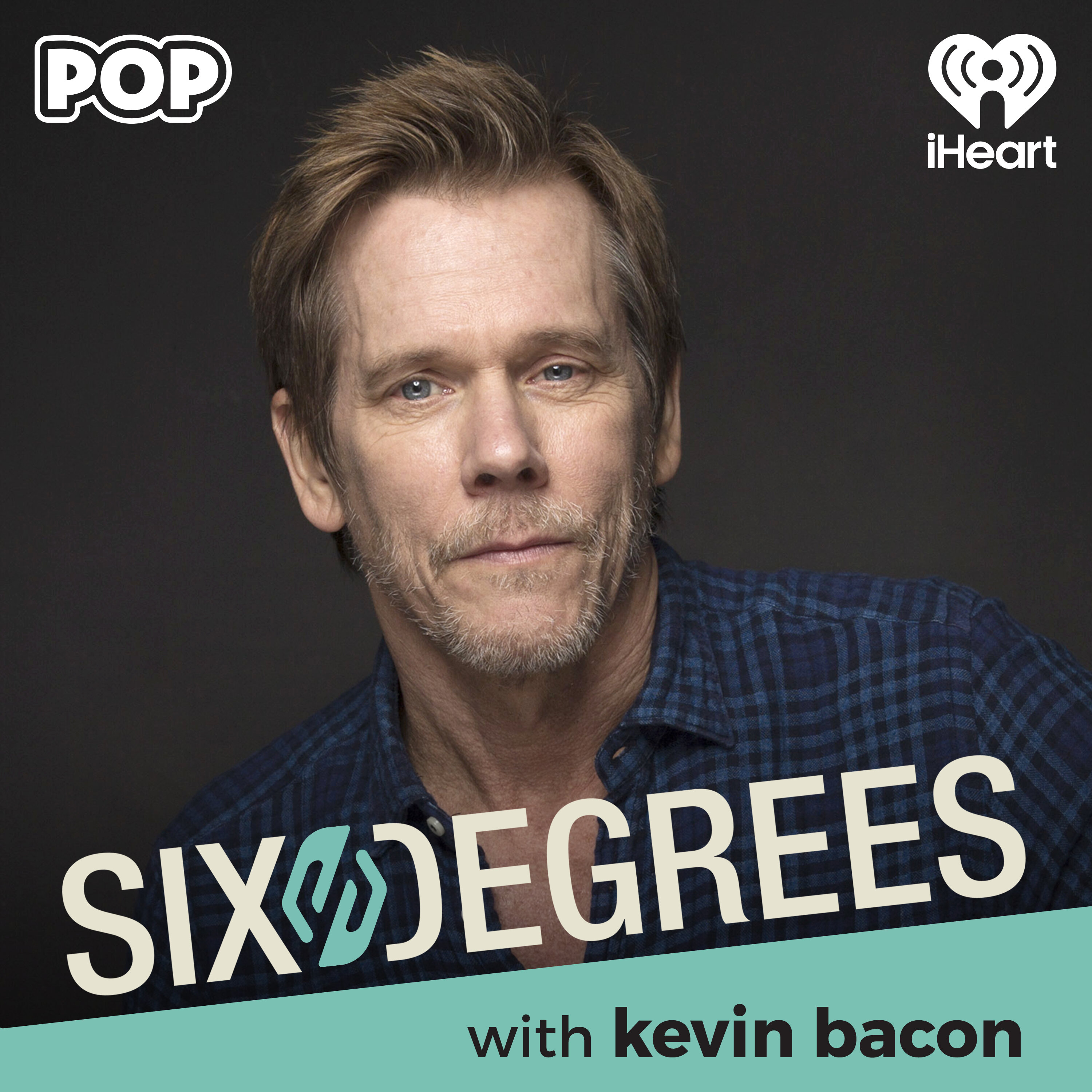
Six Degrees with Kevin Bacon
iHeartPodcasts and Warner Bros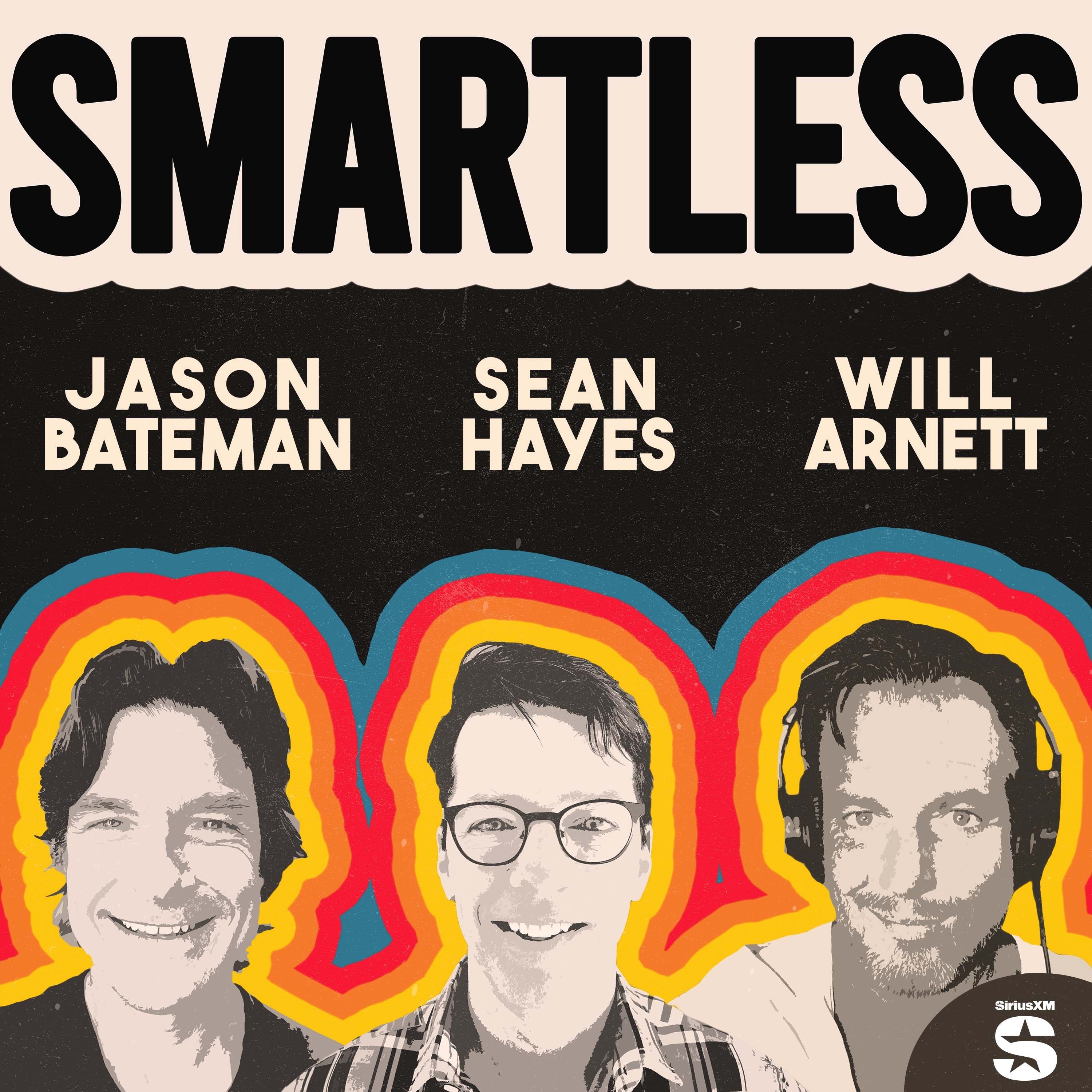
SmartLess
Jason Bateman, Sean Hayes, Will Arnett
That One Audition with Alyshia Ochse
Alyshia Ochse
The 98%
Alexa Morden
The Acting Podcast from The BGB Studio
Risa Bramon Garcia and Steve Braun